




Senior year comes with one very big question: What are you doing after high school?
For some people, the answer is a four-year college. For others, that path just doesn’t feel right… and that’s okay. College isn’t the only way to continue your education and start building a career.
If you’re creative, love working with people, prefer learning by doing, or already find yourself obsessed with hair, skincare and beauty, cosmetology or esthiology school could be worth exploring.
College Isn’t the Only Option After High School
There are many paths after graduation, including universities, community colleges, career and trade schools, apprenticeships and specialized professional programs.
Beauty school falls into the career-school category, offering education designed to prepare students for a specific profession.
According to the U.S. Bureau of Labor Statistics, the typical entry-level education for hairdressers, hairstylists, cosmetologists and skincare specialists is a postsecondary nondegree award. Cosmetologists must also meet their state’s licensing requirements.
That creates a different path than earning a traditional four-year degree — and for the right person, it might be exactly what they’re looking for.

Beauty School Is a Different Kind of Education
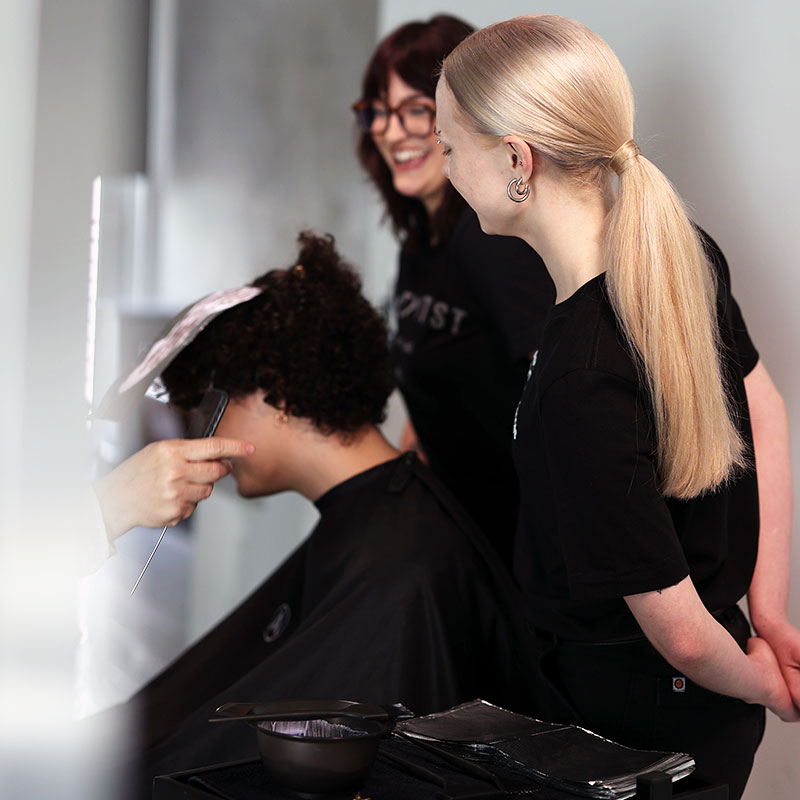
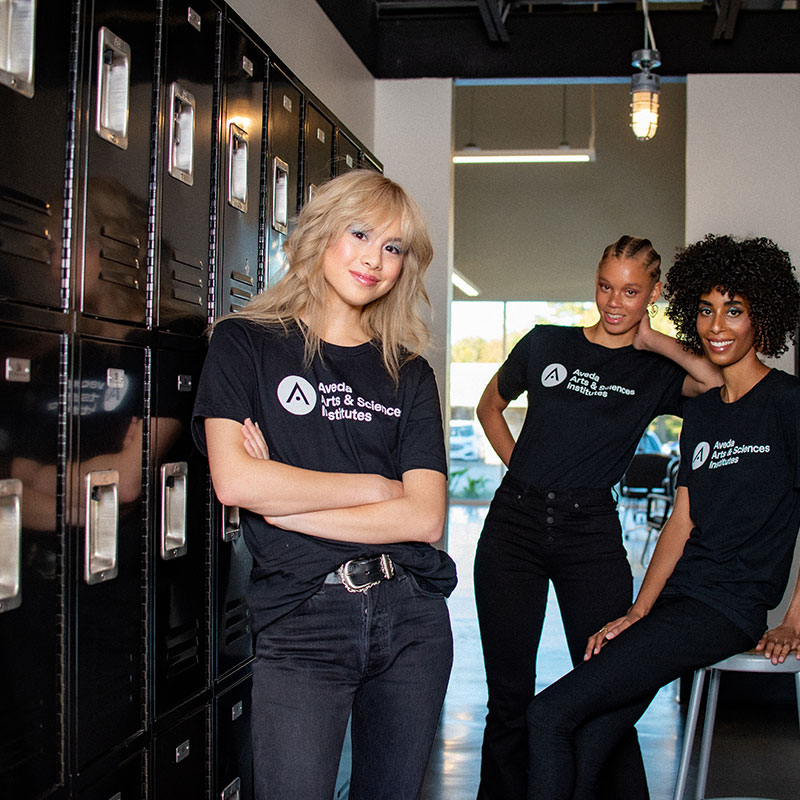
At Aveda Arts & Sciences Institute, education goes beyond sitting in a classroom.
Students have the opportunity to learn techniques, practice their craft and gain hands-on experience as they prepare for a career in the beauty industry.
Depending on the program and location, that could mean learning everything from haircutting, color and styling to skincare, waxing and other beauty services.
You’re not just studying what you might do someday. You’re developing skills designed for the career you’re pursuing.
Is Cosmetology a Growing Career?
Yes. The U.S. Bureau of Labor Statistics projects overall employment of barbers, hairstylists and cosmetologists to grow 5% from 2024 to 2034, compared with 3% across all occupations.
BLS also projects approximately 84,200 openings for barbers, hairstylists and cosmetologists each year, on average, during that decade.
Skincare is another growing area of the beauty industry. BLS projects employment of skincare specialists to grow approximately 7% between 2024 and 2034.
Beauty School vs. College: What’s the Difference?
There isn’t one “right” choice after high school. It comes down to what kind of education — and future — fits you.
A traditional four-year college may be a great fit if your career goals require a degree or you enjoy a more traditional academic environment.
Beauty school may be worth considering if you:
- Love creative, hands-on work
- Want to work directly with people
- Are passionate about hair, skincare or beauty
- Learn best by actually doing
- Want education focused on preparing for a specific career
- Can picture yourself working in a salon, spa or another part of the beauty industry
Cost, program length, financial aid, graduation rates and potential career outcomes are also worth comparing before choosing any college or career school. The U.S. Department of Education recommends looking beyond a school’s sticker price and comparing factors such as net cost, debt, graduation and earnings information when considering your options.
*Resources to data linked below.
Can You Get Financial Aid for Beauty School?
Financial aid may be available to those who qualify at eligible career schools.
The Free Application for Federal Student Aid, better known as the FAFSA®, isn’t only for traditional four-year universities. Federal Student Aid specifically allows students to include eligible colleges, career schools and trade schools when completing the FAFSA.
Students should speak with the financial aid team at the campus they’re considering to learn more about eligibility and available options.
You Don’t Have to Have Your Whole Life Figured Out
Choosing what comes after graduation can feel like you’re supposed to decide the rest of your life at 17 or 18.
You’re not.
You just need to start exploring what feels like you.
Visit colleges. Research careers. Compare costs and programs. Talk to people working in industries you’re interested in.
And if you’ve ever thought, “I could actually see myself doing hair,” or “I would love to work in skincare,” give yourself permission to explore that path too.
Beauty School After High School: Your Questions Answered
Can I go to beauty school right after high school?
Yes. Students can pursue cosmetology or esthiology education after completing the admissions requirements for their chosen school and program. Requirements can vary by program, campus and state, so it’s important to speak with an admissions representative about your specific situation.
Do you need a college degree to become a cosmetologist?
No. According to the U.S. Bureau of Labor Statistics, cosmetologists typically complete a state-approved cosmetology program rather than a traditional college degree. States also require cosmetologists to be licensed.
Is beauty school considered higher education?
Beauty and cosmetology schools are generally forms of postsecondary career education. Unlike a traditional four-year college program, the education is focused specifically on developing skills for careers within the beauty industry.
Is beauty school a trade school?
Beauty schools and trade schools both provide career-focused postsecondary education. Cosmetology schools specialize specifically in areas of the beauty industry, such as hair, skincare and related services.
Is cosmetology school worth it?
That depends on your goals. If you’re passionate about beauty, prefer hands-on learning and want to pursue a career that requires cosmetology licensure, completing an approved cosmetology program is an important step toward that career. When comparing programs, consider tuition, financial aid, program length, graduation and licensure outcomes, and career opportunities.
Can you get financial aid for cosmetology school?
Financial aid may be available to those who qualify at eligible cosmetology schools. Students can complete the FAFSA to determine potential eligibility for federal student aid and should speak with their school’s financial aid team about their individual options.
What can I do after high school if I don’t want to go to college?
A four-year university isn’t the only option. Graduates can explore community college, career and trade schools, apprenticeships and specialized programs such as cosmetology or esthiology school. The best option depends on your interests, career goals, learning style and financial situation.
See What Beauty School Is Actually Like
Still wondering whether beauty school is right for you?
One of the best ways to find out is to experience it for yourself.
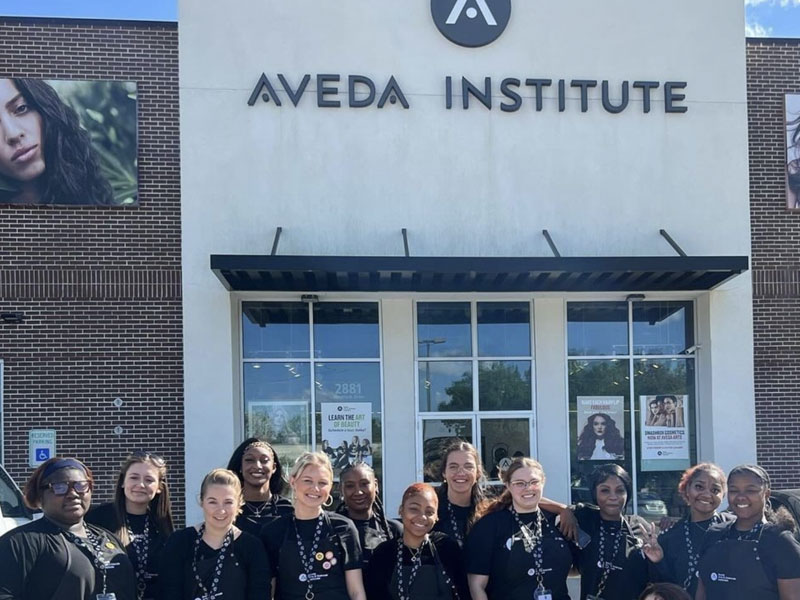
Tour your local Aveda Arts & Sciences Institute, see the campus, learn about available programs, meet the team and ask questions about admissions, financial aid, student life and career possibilities.
Your next step after high school doesn’t have to look like everyone else’s.
It just has to feel right for you.
Ready to explore what’s next? Schedule a tour at your local Aveda Arts & Sciences Institute.
Sources & Important Information
Career outlook and employment projection data are based on information from the U.S. Bureau of Labor Statistics. Employment projections are national estimates and are not a guarantee of employment or individual career outcomes. Financial aid is available to those who qualify; eligibility and award amounts vary by individual. Program offerings, requirements and licensure requirements vary by campus and state.
Sources:
BLS — Barbers, Hairstylists & Cosmetologists
BLS — Skincare Specialists
Federal Student Aid — FAFSA & Career Schools
Federal Student Aid — Choosing a College or Career School