



If you’ve been researching careers in skincare, chances are you’ve seen the rise of the “med spa” industry everywhere. From advanced facials and chemical peels to LED treatments and microneedling, medical spas are one of the fastest-growing areas of the beauty and wellness world.
But one of the biggest questions aspiring professionals ask is:
What license do you need to work in a med spa?
The answer depends on:
- The state you live in
- The treatments you want to perform
- Whether procedures are considered cosmetic or medical in your state
In many cases, your first step into the med spa industry begins with earning your esthetics license.
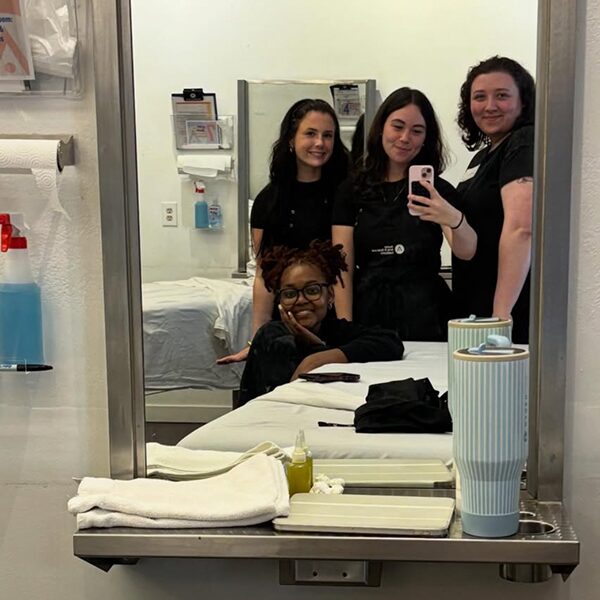
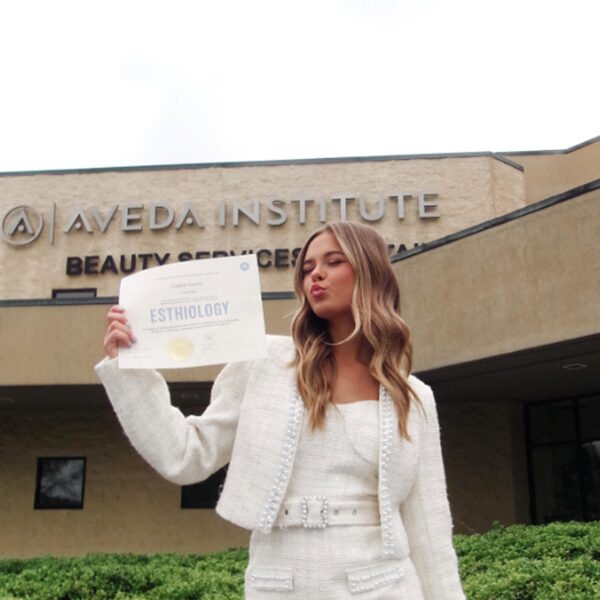
At Aveda Arts & Sciences Institutes, our esthetics programs focus on the foundational skills, professional techniques, skincare knowledge, and guest experience training that can prepare students for careers in spas, salons, wellness spaces, and potentially med spa environments depending on state regulations.
Why Is the Med Spa Industry Growing So Fast?
The med spa industry has exploded in recent years as more consumers seek:
- Preventative skincare treatments
- Non-invasive beauty services
- Advanced facial technologies
- Wellness-focused self-care experiences
This growth has increased demand for licensed estheticians who understand:
- Skin health
- Facial treatments
- Client care
- Product knowledge
- Advanced skincare technology
- Professional sanitation and safety practices
Many professionals begin their journey in esthetics school before pursuing additional certifications, medical collaborations, or advanced training opportunities.
Can You Work in a Med Spa With an Esthetics License?
In many states, yes — licensed estheticians can perform certain non-invasive skincare services commonly offered in med spas. However, every state has different regulations regarding:
- Scope of practice
- Advanced esthetics licensing
- Medical oversight requirements
- Laser certifications
- Procedures considered “medical”
That’s why understanding your state’s esthetics laws is essential before pursuing a med spa career.
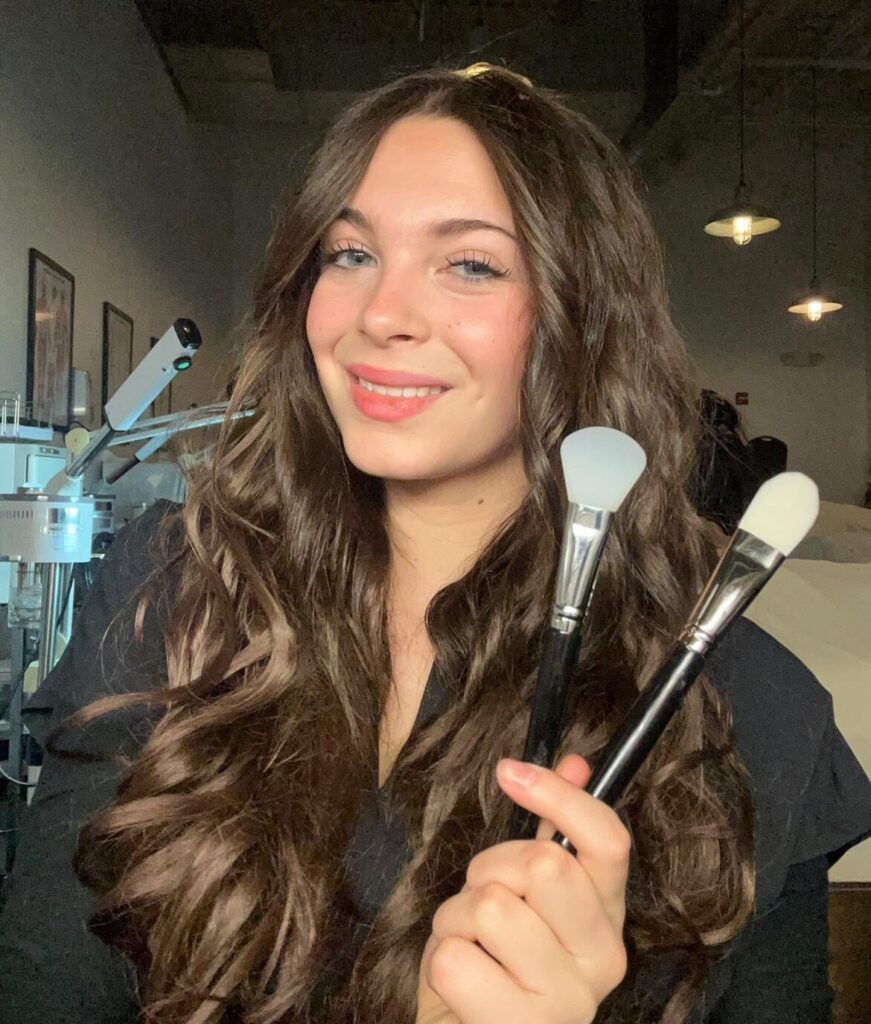
“I chose Aveda because they’re dedicated to helping student achieve their goals well after licensing. Having this opportunity will allow me to work in the industry gaining hands-on experience in skin health, wellness education, and client care. This will set you apart from others who have no background in esthetics.” – Avery, Nashville, TN student
Med Spa Treatment Guide
What Treatments Can Estheticians Perform in a Med Spa?
Basic Facials & Advanced Facial Technologies
Many med spas offer treatments such as:
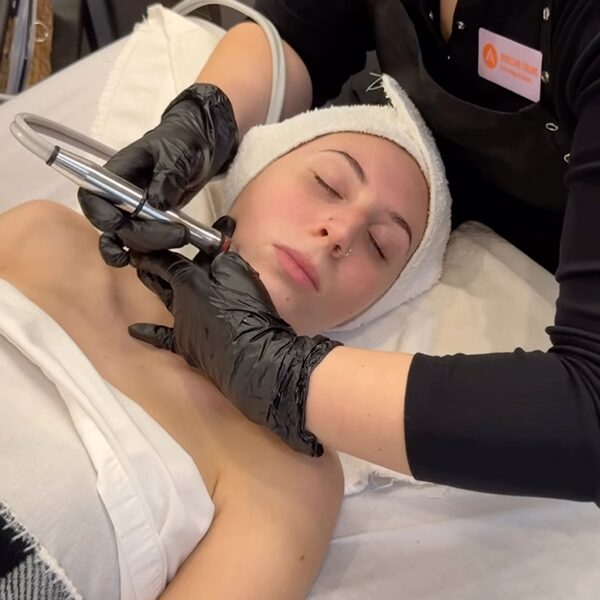
- Hydrodermabrasion
- Microdermabrasion
- Microcurrent
- Ultrasonic spatula treatments
- LED light therapy
States Where a Fundamentals Esthetics License May Qualify:
- Louisiana
- Texas
- Tennessee
- Alabama
- North Carolina
- New York
- Washington
States Requiring Advanced or Master Esthetics Licensing:
- Minnesota
- Virginia
Are Chemical Peels Allowed With an Esthetics License?
In many states, licensed estheticians can perform light or superficial chemical peels as part of their scope of practice. States like Louisiana, Texas, Tennessee, Alabama, North Carolina, New York, and Washington may allow these services under a fundamentals esthetics license, while states such as Minnesota and Virginia may require an advanced or master esthetics license for more advanced treatments. Because regulations vary, it’s important to understand your state’s licensing requirements before pursuing med spa services.
Can Estheticians Perform Dermaplaning?
Dermaplaning regulations depend heavily on the state you work in. In states including Louisiana, Tennessee, Alabama, North Carolina, New York, and Washington, dermaplaning may fall within a standard esthetics license scope. However, Minnesota and Virginia may require advanced esthetics licensing. In Texas, dermaplaning performed with a traditional surgical blade may require medical oversight because it can be considered a medical procedure.
Can Estheticians Perform Microneedling?
Microneedling laws vary widely across the U.S. Some states, like North Carolina, may allow microneedling under a fundamentals esthetics license, while Minnesota and Washington may require advanced or master esthetics licensing. In Tennessee and Texas, microneedling often requires medical supervision. Other states — including Louisiana, Alabama, New York, and Virginia — may consider microneedling outside the esthetics scope of practice altogether.
Is Manual Lymphatic Drainage Allowed for Estheticians?
Manual lymphatic drainage regulations vary by state and may depend on the area of the body being treated. In states like Louisiana, Tennessee, North Carolina, and Texas, estheticians may perform certain lymphatic drainage services under a fundamentals esthetics license. Alabama may allow treatment specifically for the face, neck, and décolleté area. However, states such as Minnesota, Washington, and Virginia may require an advanced or master esthetics license for these services. In New York, manual lymphatic drainage may fall outside the esthetics scope of practice.
Can Estheticians Perform Microblading?
Typically, no.
Microblading and permanent makeup are generally considered outside the esthetics scope of practice and often require:
- Tattoo licensing
- Body art licensing
- Specialized certifications
Can Estheticians Perform Injectables Like Botox or Fillers?
No — injectables such as Botox and dermal fillers are considered medical procedures and typically fall outside the scope of practice for licensed estheticians. In states including Alabama, Louisiana, Minnesota, North Carolina, New York, Tennessee, Texas, Washington, and Virginia, injectable treatments generally must be performed by licensed medical professionals. Depending on state laws and medical spa regulations, this may include Registered Nurses (RNs), Nurse Practitioners (NPs), Physician Assistants (PAs), or Physicians working under medical oversight.
Can Estheticians Perform Laser Treatments?
Laser treatment regulations vary significantly from state to state and are often more heavily regulated than traditional esthetics services. In Louisiana and New York, laser treatments may fall outside the esthetics scope of practice entirely. States including North Carolina, Tennessee, Alabama, Minnesota, Texas, and Virginia may allow laser services only with additional certification, advanced training, and medical director supervision. In Washington, laser treatments may require a Master Esthetics license along with additional laser certification and oversight from a medical professional.
Why Esthetics School Is Still the Best First Step Into the Med Spa Industry
Even though advanced treatments may require additional certifications or medical supervision, nearly every med spa career path begins with foundational esthetics education.
An esthetics program can help students build:
- Facial treatment techniques
- Skin analysis skills
- Client consultation experience
- Professional product knowledge
- Sanitation and safety practices
- Confidence working with real guests
At Aveda Arts & Sciences Institutes Esthetics Program, students receive hands-on training in skincare fundamentals while learning in a real-world spa environment. Some campuses may also incorporate modern skincare technologies and advanced treatment exposure depending on location and curriculum offerings.
FAQs
Frequently Asked Questions About Med Spa Careers
Do you need an esthetics license to work at a med spa?
In many states, yes. Even if you eventually pursue advanced certifications or medical aesthetics, earning an esthetics license is often the first step toward working in a med spa environment.
What is the difference between esthetics and medical esthetics?
Traditional esthetics focuses on cosmetic skincare services such as facials, waxing, makeup, and superficial treatments. Medical esthetics may involve working alongside medical professionals in environments offering advanced procedures, laser treatments, or medical-grade skincare services.
What states require a Master Esthetics License?
States such as:
- Minnesota
- Virginia
- Washington (for some advanced services)
may require advanced or master esthetics licensing for certain treatments commonly offered in med spas.
Is esthetics school worth it for med spa careers?
For many aspiring skincare professionals, esthetics school provides the education, licensing foundation, and hands-on experience needed to begin building a career in the growing skincare and wellness industry.
State Board & Licensing Resources
Because esthetics and med spa regulations vary by state, we always recommend reviewing your state board’s official laws, rules, and scope of practice guidelines before offering advanced services. Below are helpful starting points for each state referenced in this guide.
• Alabama
• New York
• Texas
• Virginia
Disclaimer: Licensing laws, medical spa regulations, and scope of practice requirements can change over time. Always consult your state board or a qualified legal professional for the most current regulations and compliance guidance.
Start Your Esthetics Journey
If you’re passionate about skincare, beauty, wellness, and advanced facial treatments, an esthetics education can be an important first step toward exploring opportunities in spas, salons, and med spa environments.
Explore the Esthetics Program at Aveda Arts & Sciences Institutes to learn more about training, campuses, and career possibilities.

kickstart your future
Have questions? Ready to tour? Contact the Admissions Manager at your nearest Aveda Arts & Sciences Institute!